
Destination: Shanghai – China’s most futuristic cityOn this page
- Why Visit Shanghai?
- Quick Facts
- Best Time to Visit
- How to Get to Shanghai
- Getting Around Shanghai
- Where to Stay in Shanghai
- Top Things to Do in Shanghai
- Suggested 3-Day Shanghai Itinerary
- What to Eat in Shanghai
- Practical Tips for Foreign Travelers
- Is Shanghai Worth Visiting?
Why Visit Shanghai?
If Beijing is China’s political heart, Shanghai is its face to the world – a mix of Art Deco riverfront, neon skyscrapers, hip cafés and traditional lanes. You can admire European-style buildings along the Bund, cross the river to futuristic Pudong, get lost in classical Chinese gardens, and end the day in a speakeasy bar or at Disneyland.
This guide is written for foreign travelers visiting Shanghai for the first time and fits perfectly into a “Destination” column.
Quick Facts
- Location: East coast of China, at the mouth of the Yangtze River
- Airports: Pudong (PVG – international hub), Hongqiao (SHA – mainly domestic & regional)
- Best for: First-time visitors, city lovers, foodies, families, nightlife
- Ideal Trip Length: 3–4 days for Shanghai; 5–7 days if adding Suzhou/Hangzhou or a water town
Best Time to Visit
Shanghai is technically a year-round destination, but the best seasons are spring (March–May) and autumn (September–November). Temperatures are mild and comfortable, with fewer rain showers and clearer skies.
- Spring: Blossoms, green parks, pleasant 15–25°C
- Autumn: Blue skies, golden leaves, hairy crab season
- Summer (Jun–Aug): Hot and humid, but lively with great nightlife
- Winter (Dec–Feb): Cold and damp, but fewer tourists and lower prices
Tip: Avoid Chinese New Year and early-October Golden Week if possible, due to heavy crowds and higher prices.
How to Get to Shanghai
By Air
Most international visitors arrive at:
- Pudong International Airport (PVG): Main international hub with direct flights from Europe, North America, Oceania and Asia.
- Hongqiao Airport (SHA): Closer to downtown and connected to the high-speed rail network.
From Pudong, you can:
- Take the Maglev train to Longyang Road and connect to the metro.
- Use Metro Line 2 directly into downtown.
- Use a taxi or ride-hailing app (Didi).
By High-Speed Train
Shanghai is a major hub in China’s high-speed rail network, with fast connections to Beijing, Nanjing, Suzhou, Hangzhou and many other cities.
Getting Around Shanghai
- Metro: The easiest way to move around; signs and announcements are in English and Chinese.
- Didi (ride-hailing): Very convenient if you have Alipay or WeChat Pay set up.
- Taxis: Metered; always carry your destination written in Chinese.
- Walking: Great for areas like the Bund, Nanjing Road, the French Concession and Tianzifang.
Where to Stay in Shanghai
The Bund & People’s Square (Huangpu District)
Best for first-timers who want to be in the center of everything. Walkable to the Bund, Nanjing Road, museums and several key metro lines.
Former French Concession / Xintiandi
Tree-lined streets, cafés, boutiques and nightlife. Great for couples and lifestyle-focused travelers.
Pudong – Lujiazui
Across the river from the Bund, surrounded by skyscrapers like Shanghai Tower and the Oriental Pearl. Ideal for families, business travelers and skyline lovers.
Disney / Outskirts
Good for families who want to spend one or two full days at Shanghai Disneyland or Legoland Shanghai Resort.
Top Things to Do in Shanghai
The Bund (外滩)
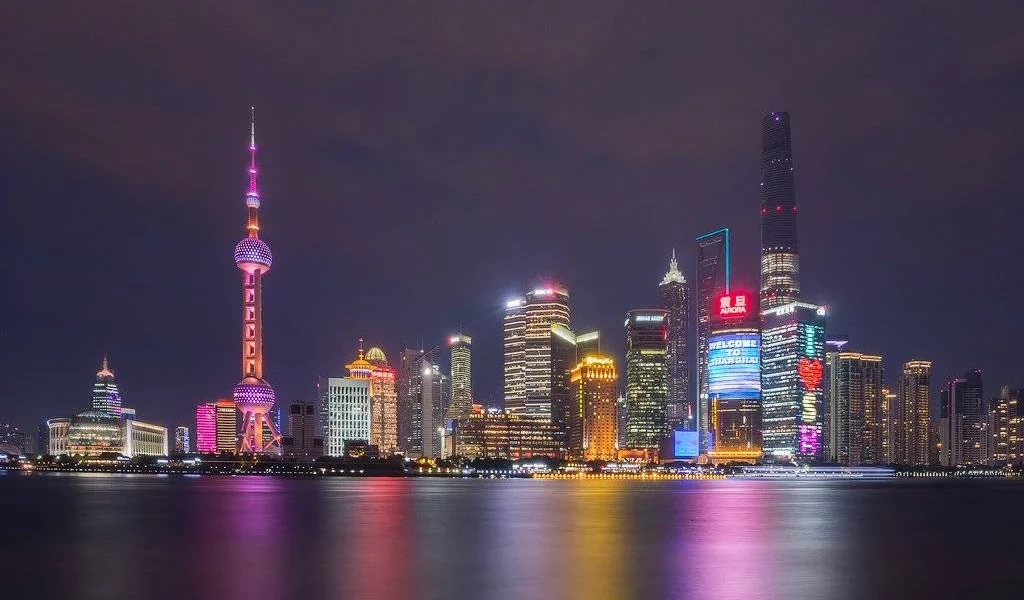
The Bund is Shanghai’s iconic waterfront promenade, lined with early 20th-century colonial buildings on one side and the futuristic Pudong skyline on the other. It’s a must-see for every visitor.
Tips: Visit at night for the neon skyline, or at sunrise for a peaceful walk. Consider a Huangpu River night cruise for great photos.
Yu Garden & Yuyuan Bazaar (豫园)
Yu Garden is a classical Chinese garden with ponds, pavilions, bridges and rockeries. Outside the garden, Yuyuan Bazaar is full of shops and snack stalls.
- Plan around 1.5–2 hours inside the garden.
- Try local snacks like xiaolongbao (soup dumplings).
- Visit the nearby City God Temple for more traditional architecture.
Pudong Skyline – Shanghai Tower & Oriental Pearl
Across the river from the Bund, the Pudong area is packed with skyscrapers:
- Shanghai Tower: The tallest building in China, with a high observation deck.
- Shanghai World Financial Center & Jin Mao Tower: Both offer skywalks and viewing decks.
- Oriental Pearl TV Tower: A classic symbol of Shanghai, popular with families.
Tip: Choose one main observation deck (Shanghai Tower is the most impressive) to save time and money.
Former French Concession, Tianzifang & Xintiandi
The Former French Concession is full of tree-lined streets, historic villas, cafés and boutiques.
- Tianzifang: A maze of narrow lanes, art shops, bars and small restaurants.
- Xintiandi: Redeveloped shikumen houses with stylish restaurants and bars.
Perfect for a relaxed afternoon, people-watching and nightlife.
Nanjing Road (南京路)
Nanjing Road runs from People’s Square to the Bund and is one of the world’s busiest shopping streets, filled with malls, brands and snack shops.
Shanghai Museum & Urban Planning Exhibition Hall
- Shanghai Museum: Top-class museum with Chinese bronzes, ceramics, calligraphy and more.
- Urban Planning Exhibition Hall: Showcases the development of Shanghai, with a huge scale model of the city.
Zhujiajiao Water Town (朱家角)
Zhujiajiao is a historic water town with canals and stone bridges, about an hour from downtown Shanghai.
- Take a small boat ride on the canals.
- Explore temples, old streets and teahouses.
- Ideal as a half-day or full-day trip.
Shanghai Disneyland & Legoland Shanghai
Shanghai Disneyland features the tallest Disney castle in the world and several attractions unique to Shanghai.
Legoland Shanghai Resort is one of the largest Legoland parks, with multiple themed lands and a Miniland featuring Lego versions of Shanghai landmarks.
Suggested 3-Day Shanghai Itinerary
Day 1 – Classic Shanghai
- Morning: Yu Garden & Yuyuan Bazaar
- Lunch: Xiaolongbao and local snacks
- Afternoon: People’s Square & Shanghai Museum
- Evening: Nanjing Road → the Bund → Huangpu River night cruise
Day 2 – Modern Skyline & French Concession
- Morning: Pudong (Lujiazui) and Shanghai Tower observation deck
- Lunch: View restaurant or mall in Pudong
- Afternoon: Stroll through the Former French Concession
- Evening: Dinner and drinks in Tianzifang or Xintiandi
Day 3 – Water Town or Theme Park
Option A – Culture: Half or full day in Zhujiajiao Water Town.
Option B – Family Fun: Full day at Shanghai Disneyland or Legoland Shanghai.
What to Eat in Shanghai
Shanghai cuisine is slightly sweet and soy-based, with an emphasis on presentation. Must-try dishes include:
- Xiaolongbao: Soup dumplings.
- Shengjianbao: Pan-fried buns with juicy pork filling.
- Hongshao Rou: Braised pork belly in sweet soy sauce.
- Drunken Chicken: Chicken marinated in Shaoxing wine.
- Hairy Crab (Autumn): Seasonal delicacy from roughly September to November.
Practical Tips for Foreign Travelers
- Language: English is spoken in some hotels and tourist areas, but not everywhere. Have key addresses in Chinese and use a translation app.
- Payments: Mobile payments (Alipay, WeChat Pay) are very common. Many places now allow foreign bank cards to be linked. Carry a small amount of cash just in case.
- Transport Cards: Get a local transport card or use QR codes in payment apps for the metro and buses.
- Safety: Shanghai is generally very safe, even at night. Just beware of pickpockets in crowded areas and typical tourist scams.
Is Shanghai Worth Visiting?
Absolutely. Shanghai is one of the easiest Chinese cities for foreign travelers: modern, convenient and full of contrasts – from historic riverfront architecture to glass skyscrapers and quiet back lanes.
This destination guide gives first-time visitors a clear overview of what to see, where to stay and how to explore Shanghai with confidence.
