
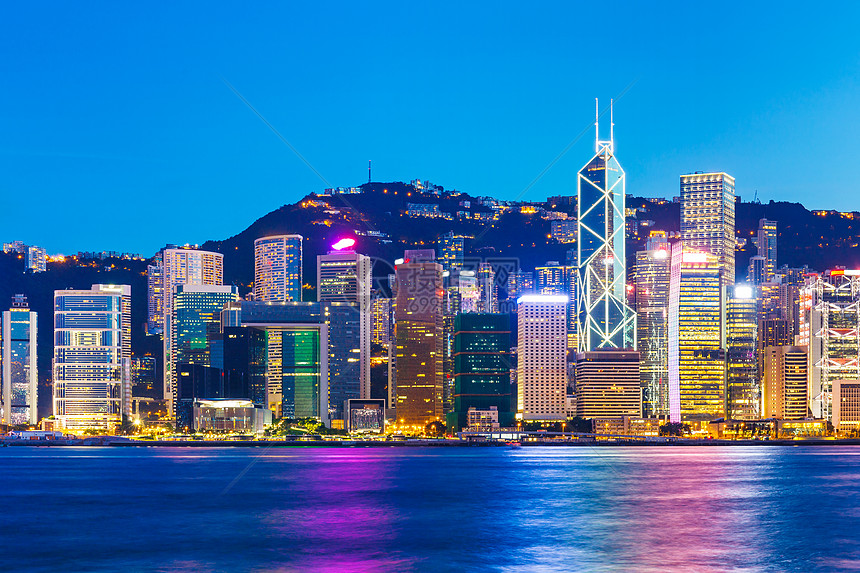
Destination: Hong Kong – Where East Meets West
Navigation
- Why Visit Hong Kong?
- Quick Facts
- Best Time to Visit
- How to Get to Hong Kong
- Getting Around Hong Kong
- Where to Stay
- Top Things to Do
- What to Eat
- Day Trips & Nearby Areas
- Travel Tips
- Conclusion
Why Visit Hong Kong?
Hong Kong is one of Asia’s most exciting cities, famous for its dramatic skyline, vibrant street life, world-class food scene, and unique blend of Chinese and Western cultures.
For international travelers, Hong Kong is often the easiest and most comfortable entry point into China, offering English-friendly services, efficient transport, and a truly global atmosphere.
Quick Facts
- Location: Southern China (Pearl River Delta)
- Status: Special Administrative Region (SAR) of China
- Population: 7.4+ million
- Currency: Hong Kong Dollar (HKD)
- Language: Cantonese (English widely spoken)
- Ideal Length of Stay: 3–5 days
Best Time to Visit
The best time to visit Hong Kong is October to December, when the weather is dry, sunny, and comfortable.
- Autumn (Oct–Dec): Best weather, clear skies
- Spring (Mar–Apr): Mild, sometimes humid
- Summer (May–Sep): Hot, humid, occasional typhoons
- Winter (Jan–Feb): Cool, dry, rarely cold
How to Get to Hong Kong
By Air
Hong Kong International Airport (HKG) is one of the world’s best-connected airports, with direct flights from major cities across Asia, Europe, North America, and Australia.
The airport is connected to the city by:
- Airport Express train (fastest option)
- Buses and taxis
By High-Speed Train
High-speed trains connect Hong Kong to mainland China via West Kowloon Station:
- Hong Kong ↔ Shenzhen: ~15–20 minutes
- Hong Kong ↔ Guangzhou: ~1 hour
Getting Around Hong Kong
Hong Kong has one of the best public transport systems in the world.
- MTR (Metro): Fast, clean, English signage everywhere
- Octopus Card: Essential for transport and small purchases
- Buses & Trams: Scenic and affordable
- Star Ferry: Iconic harbor crossing
- Taxis: Reliable and reasonably priced
Where to Stay
Central & Sheung Wan
Best for first-time visitors. Close to business districts, ferry terminals, restaurants, and nightlife.
Tsim Sha Tsui (Kowloon)
Great harbor views, shopping, museums, and easy airport access.
Causeway Bay
Major shopping area with lively streets and many hotels.
Wan Chai
Good balance between business, nightlife, and local neighborhoods.
Top Things to Do
Victoria Peak
The best panoramic view of Hong Kong’s skyline. Visit around sunset for day-to-night views.
Victoria Harbour & Star Ferry
Take the Star Ferry between Hong Kong Island and Kowloon for iconic skyline views.
Hong Kong Skyline at Night
Enjoy the skyline from Tsim Sha Tsui Promenade or during the Symphony of Lights show.
Explore Local Neighborhoods
- Central & Soho: Cafés, bars, and galleries
- Sham Shui Po: Local markets and street food
- Sheung Wan: Traditional shops and temples
Lantau Island
Home to:
- Big Buddha (Tian Tan Buddha)
- Po Lin Monastery
- Ngong Ping 360 Cable Car
What to Eat
Hong Kong is one of the world’s best food cities.
- Dim Sum – A must-try experience
- Roast Goose & BBQ Pork
- Wonton Noodles
- Egg Tarts
- Milk Tea (Hong Kong-style)
From Michelin-starred restaurants to street food stalls, options are endless.
Day Trips & Nearby Areas
- Lantau Island – Nature and culture
- Lamma Island / Cheung Chau – Relaxed island life
- Macau – Casinos and Portuguese heritage (1 hour by ferry)
Travel Tips
- Bring a light jacket for air-conditioned spaces
- Use an Octopus Card for convenience
- English is widely spoken
- Cash and cards are both commonly accepted
Conclusion
Hong Kong is a city of contrasts—modern skyscrapers and traditional temples, fast-paced business districts and peaceful islands.
For international travelers, it offers world-class convenience, unforgettable food, and one of the most iconic cityscapes in the world.
